-
tel:
+86 181 6205 2962 -
email:
operators@sdchinamachine.com

Polyurethane Foaming Machine – Spray Foam Equipment for Insulation & Coating
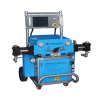
Polyurethane Foaming Machine – Spray Foam Equipment for Insulation & Coating
Need a polyurethane foaming machine for spray foam insulation or polyurea coating? Learn how our equipment delivers consistent output, handles high-pressure applications, and stands up to daily job-site use.
A polyurethane foaming machine is the core equipment for spray foam insulation and polyurea coating applications. If you're insulating a warehouse roof, coating a truck bed, or applying waterproofing to a concrete surface, this is the machine that mixes and dispenses the two chemical components (A and B) at high pressure to create the final foam or coating layer.
Unlike simple spray guns, a proper foaming machine controls temperature, pressure, and flow rate – so the chemical reaction happens exactly where and when it should. No cold spots, no uneven curing, and no wasted material.
Core Components of a Polyurethane Foaming Machine
A typical polyurethane foaming machine has three main parts:
1. Proportioning Pump
Pulls the two chemical components from their drums and pushes them forward at the right ratio. Get the ratio wrong, and the foam won't cure properly. Most machines use piston or gear pumps to maintain precise ratios regardless of material viscosity.
2. Heated Hose
Keeps the chemicals at the right temperature from the machine all the way to the spray gun. For polyurethane foam, the ideal temperature range is typically 60-85°C (140-185°F). Cold chemicals mean thick, sluggish flow and poor mixing, which leads to off-ratio material and failed jobs.
3. Spray Gun
Where the two components finally meet, mix, and atomize onto the surface. Good atomization means even coverage and minimal overspray. The gun also houses the mixing chamber, which must be cleaned or replaced regularly to maintain consistent spray pattern.
The machine also includes a control panel to monitor temperature, pressure, and flow – so the operator can make adjustments on the fly without stopping the job.
Common Applications for Polyurethane Foaming Equipment
Where does this equipment actually get used? Here are the most common applications:
Building Insulation
Spray foam on warehouse roofs, commercial building walls, and residential attics. Closed-cell foam provides both insulation and vapor barrier in one pass. Open-cell foam offers sound dampening and is more cost-effective for interior applications.
Pipe and Tank Coating
Polyurea coatings applied with foaming equipment protect steel pipes, storage tanks, and concrete structures from corrosion and abrasion. These coatings cure rapidly, allowing coated surfaces to be handled or put back into service within hours.
Truck Bed Liners
Durable, slip-resistant polyurea liners sprayed directly onto pickup beds and trailer floors. These liners outlast drop-in bed liners and provide better protection against scratches, dents, and chemical spills.
Roof Waterproofing
Spray-applied polyurethane membranes that seal and protect flat roofs from water intrusion. These systems are seamless, lightweight, and can be applied over existing roof surfaces without removal.
How to Choose the Right Foaming Machine for Your Work
Not every foaming machine fits every job. When choosing equipment, consider these factors:
Output Volume
How many pounds of material do you need to spray per minute? Small jobs (truck beds, small roofs) need less output than large-scale insulation projects. For occasional use, a lower-output machine is more cost-effective. For daily production, higher output improves efficiency.
Pressure Rating
Polyurea coatings typically require higher pressure (3000+ PSI) than polyurethane foam (1500-2500 PSI). Make sure the machine matches your primary application. If you plan to do both, choose a machine with an adjustable pressure range.
Heated Hose Length
Longer hoses give you more reach on a job site, but require more heating power to maintain temperature over distance. Standard lengths are 15-30 meters (50-100 feet). For commercial roofing or warehouse work, longer hoses reduce the need to move the machine frequently.
Portability
If you're moving between job sites daily, a skid-mounted or trailer-mounted machine is easier to transport than a stationary unit. Skid-mounted machines can be fork-lifted onto trucks, while trailer-mounted units can be towed behind a work vehicle.
Technical Specifications – Polyurethane Foaming Machine
| Parameter | Specification |
|---|---|
| Heating Power | 800W – 3000W (depending on model and hose length) |
| Max Heating Temperature | 85°C (both A and B components) |
| Max Operating Pressure | 5700 PSI (for polyurea applications) |
| Hose Inner Diameter | 3/8 inch (standard for most applications) |
| Hose Length | 15 meters per roll (longer lengths available) |
| Temperature Sensor | PT100 (accurate to ±0.5°C) |
| Fittings | JIC5 / JIC6 (standard industry connection) |
| Power Supply | 220V / 380V (50/60 Hz, depending on regional standard) |
| Control Type | Digital panel with independent temperature/pressure control for A and B components |
Frequently Asked Questions About Polyurethane Foaming Machines
What's the difference between polyurethane foam and polyurea coating equipment?
The equipment is similar, but the chemistry is different. Polyurea cures much faster – in seconds rather than minutes – so the machine needs more precise temperature control and higher pressure capability. Many machines can handle both, but confirm with the manufacturer before switching materials.
How much output do I need for my project?
For small jobs like truck beds or small roofs, 5-10 lbs/min is usually enough. For large commercial insulation projects (warehouses, tilt-up walls), look for 15-25 lbs/min output. Bigger isn't always better – oversized equipment is harder to control on small jobs and wastes material.
What maintenance does a foaming machine require?
Regular maintenance includes flushing the system after each use (uncured material hardens in the lines), checking and replacing filters, calibrating the proportioning pump annually, and inspecting heated hoses for wear or damage. Most manufacturers provide a maintenance schedule – follow it.
Can I use the same machine for both foam and polyurea?
Some machines are designed for both, but they typically require a changeover kit and thorough cleaning between materials. Foam and polyurea have different viscosities and cure times, so the proportioning and heating settings will be different. If you regularly switch between both, consider a machine with a quick-change feature.
What pressure rating do I need for my application?
Polyurea coatings typically require higher pressure – usually 3000+ PSI – to achieve proper atomization and curing. Polyurethane foam can be applied at 1500-2500 PSI. If you plan to do both, look for a machine with an adjustable pressure range that covers both applications.
Need Help Choosing the Right Foaming Machine?
Tell us your typical application and daily output requirements – we'll recommend the right setup for your work.
📧 Email: operators@sdchinamachine.com
📞 WhatsApp: +86 181 6205 2962
Related News





.webp?x-oss-process=image/resize,w_100/quality,q_100)


.webp?x-oss-process=image/resize,w_100/quality,q_100)


.webp?x-oss-process=image/resize,w_100/quality,q_100)
Contact US
Product Information
Quantity
Unit
Piece
Support order samples, customization, wholesale direct, and complete payment. If the product you look for does not have corresponding customized content, pls fill out the form below to contact us, and we will reply ASAP.