-
tel:
+86 181 6205 2962 -
email:
operators@sdchinamachine.com

Electric or Diesel Mini Excavator: Which Is Right for Your Job?
Electric or Diesel Mini Excavator: Which Is Right for Your Job?
Choosing between an electric and a diesel mini excavator is not simply a question of which machine is newer or more economical. The right choice depends on where the machine will work, what tasks it needs to handle, how long it needs to operate each day, and what facilities are available on site.
Electric mini excavators are attracting attention in indoor construction, residential projects and noise-sensitive environments. Diesel models remain a practical choice for many outdoor jobs, particularly where flexible refueling and access to reliable charging facilities are important considerations.
Before choosing a machine, it helps to compare how each type fits your working conditions.
1. Start with the Jobsite, Not Just the Machine
The working environment is one of the most important factors when selecting an excavator.
A machine used inside a building has different requirements from one working on an open construction site. Access restrictions, ventilation, noise limits, working hours and available energy sources can all influence the decision.
Consider these questions before comparing models:
-
Will the machine operate indoors or outdoors?
-
Are there restrictions on exhaust emissions or noise?
-
Is suitable electricity available for charging?
-
How many hours does the machine need to work each day?
-
Will the machine move between different job sites?
-
What digging depth, reach and attachment capabilities does the job require?
These details help determine whether an electric or diesel mini excavator is more suitable. A machine that fits the site and workload is generally a better choice than one selected based on its power source alone.
2. When an Electric Mini Excavator Makes More Sense
An electric mini excavator can be a suitable option when exhaust emissions, engine noise or indoor ventilation are important considerations.
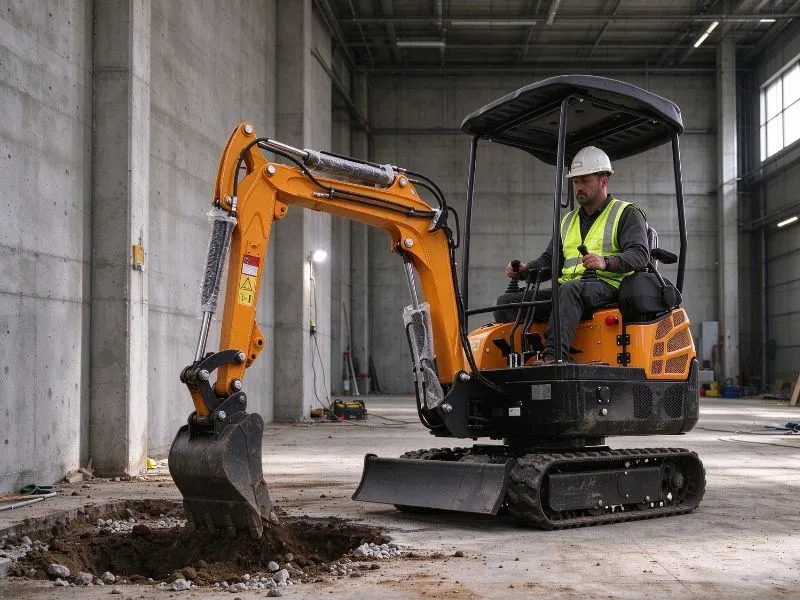
Indoor Construction and Renovation
Indoor demolition, building renovation and some warehouse projects may have limited ventilation. A battery-powered excavator has no exhaust emissions from an onboard combustion engine during operation, making it worth considering for suitable indoor applications.
This can be useful when working inside commercial buildings, warehouses or other enclosed spaces where diesel exhaust would create additional ventilation and site-management challenges.
However, operators should still check site ventilation, electrical safety and local operating requirements before using the equipment.
Residential and Noise-Sensitive Areas
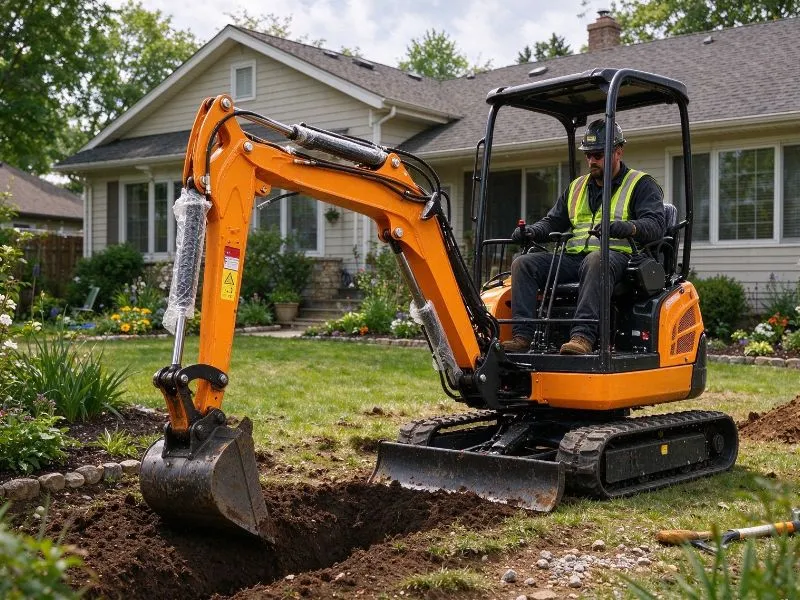
Residential landscaping, property maintenance and construction near occupied buildings may involve restrictions on noise and working hours.
An electric machine may help reduce engine noise compared with a diesel model. This can be an advantage when working in gardens, residential communities or other locations where minimizing disturbance matters.
Actual noise levels still depend on the machine design and operating conditions. Hydraulic systems, tracks and attachments also produce noise during operation.
Sites with Suitable Charging Facilities
Electric equipment is more practical when charging can be planned around the work schedule.
Contractors should consider:
-
Where the machine will be charged.
-
Whether the available power supply meets the charging requirements.
-
How charging fits between working shifts.
-
Whether the machine's battery capacity matches the expected workload.
Battery capacity alone does not determine how long a machine can operate under every condition. Digging intensity, attachment use, operating habits and site conditions can all affect energy consumption.
For projects with predictable working hours and suitable charging arrangements, an electric mini excavator may be a practical addition to the equipment fleet.
3. When a Diesel Mini Excavator Is the Better Choice
Diesel mini excavators remain widely used across construction, landscaping, agriculture and infrastructure projects. They can be a practical option when a job requires flexible refueling or takes place in locations without convenient charging facilities.
Outdoor Construction Sites
Open construction sites often have fewer restrictions related to exhaust ventilation than enclosed environments. Diesel machines can therefore be suitable for many outdoor excavation, trenching and earthmoving tasks, subject to local emissions standards and site requirements.
For contractors handling general outdoor construction, a diesel mini excavator may offer a familiar operating and refueling arrangement.
Jobs with Long or Unpredictable Shifts
Some projects involve changing workloads, extended working hours or schedules that are difficult to predict.
Diesel models can be easier to schedule for extended or unpredictable shifts when fuel is readily available. Refueling can usually be arranged without waiting for a battery to recharge.
Electric models can also support demanding work schedules, but their charging arrangements need to be incorporated into the operating plan.
The better option depends on the daily workload, available facilities and how much flexibility the contractor needs.
Remote Locations Without Reliable Charging
Agricultural land, forest work and remote infrastructure projects may not have access to a reliable electricity supply.
Where suitable charging or power-generation facilities are unavailable, diesel machines are often the more practical option. Fuel can be transported to the site, allowing contractors to plan equipment operation around their refueling arrangements.
For remote work, buyers should also consider fuel availability, maintenance support and the distance to service providers.
4. Which Machine Matches Your Fleet?
The decision should ultimately reflect your actual daily workflow. The following guide can help narrow down the options.
Choose an electric mini excavator if:
-
Your projects mainly involve indoor renovation, warehouse work or other enclosed environments.
-
You work in residential or urban areas where reduced engine noise is preferred.
-
The site has suitable charging facilities.
-
Your operating schedule allows charging to be planned.
-
You want to reduce reliance on onboard diesel fuel during machine operation.
Choose a diesel mini excavator if:
-
Your work frequently takes place in remote outdoor locations.
-
Reliable charging facilities are unavailable.
-
Daily operating hours are extended or unpredictable.
-
You need flexible refueling arrangements.
-
Diesel equipment better matches your existing fleet and service arrangements.
Neither power source is automatically the better choice for every contractor. Some businesses may also benefit from using both types of equipment for different projects.
5. Consider the Machine Specifications Before Buying
After identifying the more suitable power source, compare the actual specifications of the machines you are considering.
Overall Dimensions and Site Access
Check the machine's overall width, operating weight, transport dimensions and turning characteristics. For narrow passages, gardens and indoor projects, these dimensions can be just as important as digging performance.
Digging Performance
Compare maximum digging depth, digging reach, working height and bucket capacity against the requirements of your project.
Do not assume that electric and diesel models of the same nominal weight have identical performance. Motor output, hydraulic system design and working equipment can vary between models.
Attachments and Application Requirements
Consider whether the machine needs to operate with different buckets or other attachments. Confirm that the hydraulic system and attachment specifications are suitable for the intended work.
Charging, Fuel and Service Support
For electric equipment, confirm battery specifications, charging requirements and warranty coverage. For diesel equipment, consider fuel availability, routine servicing and emissions compliance.
For both types, replacement-part availability and technical support are important factors when selecting a supplier.
6. HIGHTOP HT15 Pro Li: A Compact Electric Mini Excavator
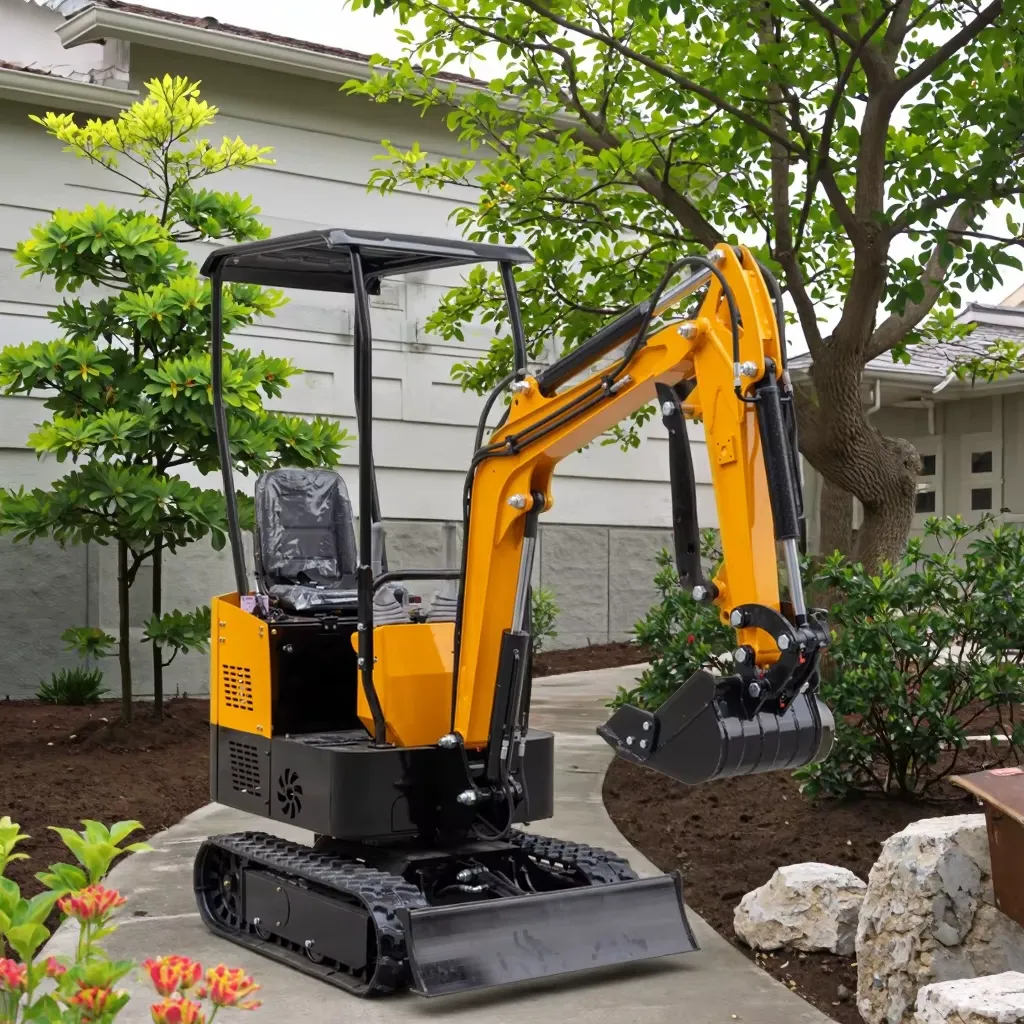
For contractors considering battery-powered equipment for compact construction and landscaping work, the HIGHTOP HT15 Pro Li is one model worth evaluating.
Its key specifications include:
-
Working weight: 1,000 kg
-
Battery: 72V 150Ah lithium battery
-
Motor power: 6.5 kW
-
Motor type: Permanent Magnet Synchronous Motor
-
Overall width: 930 mm
-
Maximum digging depth: 1,710 mm
-
Bucket capacity: 0.02 m³
-
Standard charger: 10A
With an overall width of 930 mm, the HT15 Pro Li can be considered for projects where access space is an important factor. Its 1,710 mm maximum digging depth provides a reference for buyers assessing whether the machine meets their excavation requirements.
Its battery-powered drive system also makes it worth considering for suitable indoor and noise-sensitive applications where a machine without onboard combustion-engine exhaust is preferred.
As with any excavator, buyers should evaluate the machine against the actual workload, required attachments, charging arrangements and site conditions before making a decision.
Explore the HIGHTOP HT15 Pro Li electric mini excavator for more product information and specifications.
Need help choosing between electric and diesel equipment? Contact our team with details about your jobsite, intended applications and operating schedule. We can help you evaluate which type of mini excavator is more suitable for your projects.
Frequently Asked Questions
1. Can an electric mini excavator work outdoors?
Yes. Electric mini excavators can operate outdoors when their specifications and battery capacity match the job requirements. However, if the site lacks suitable charging facilities or requires extended operation without charging breaks, a diesel model may offer more flexibility.
2. Do electric mini excavators have enough power for digging?
Electric mini excavators can handle many routine digging, landscaping and utility tasks. Their suitability depends on motor output, hydraulic system performance, machine design and the attachments being used.
Buyers should compare the actual specifications of individual models rather than assuming that electric and diesel excavators of the same weight have identical performance.
3. What happens if the battery runs out on site?
If the battery is depleted, the machine will need to be recharged before it can continue operating. This is why charging arrangements and expected daily workloads should be considered before purchase.
For jobs with unpredictable working hours or limited access to electricity, diesel equipment may be a more practical choice.
4. Are diesel mini excavators allowed in cities?
It depends on local regulations and the machine's emissions certification. Some cities and regions have low-emission zones or other restrictions that affect which diesel machines can operate in certain areas.
Always check local emissions requirements and jobsite rules before selecting equipment for urban projects.
5. Is an electric mini excavator suitable for residential landscaping?
It can be a suitable option, particularly where reduced engine noise and the absence of onboard combustion-engine exhaust are preferred. Buyers should still consider the required digging performance, working hours, charging access and available attachments.
Choose Equipment That Fits the Work
Electric and diesel mini excavators serve different operating needs. Electric models are worth considering for suitable indoor, residential and noise-sensitive applications, while diesel machines remain a practical choice for many outdoor and remote projects.
Before making a purchase, compare the jobsite conditions, machine dimensions, digging requirements, operating schedule and local service support. Choosing equipment based on the actual work will help you build a fleet that meets your project requirements.
Related News








Contact US
Product Information
Quantity
Unit
Piece
Support order samples, customization, wholesale direct, and complete payment. If the product you look for does not have corresponding customized content, pls fill out the form below to contact us, and we will reply ASAP.